Funky Charm: A Retro Display Font for Playful Brand Identities
There’s something about opening a blank brand board that feels like standing in front of a blank canvas—full of potential, but also a little intimidating. I recently found myself in that exact spot, working on a visual refresh for a local boutique that wanted to lean into a more nostalgic, fun-loving aesthetic. I knew the logo and packaging needed a typeface that could carry that retro charm without feeling gimmicky. That’s when I gave Funky Charm a try.
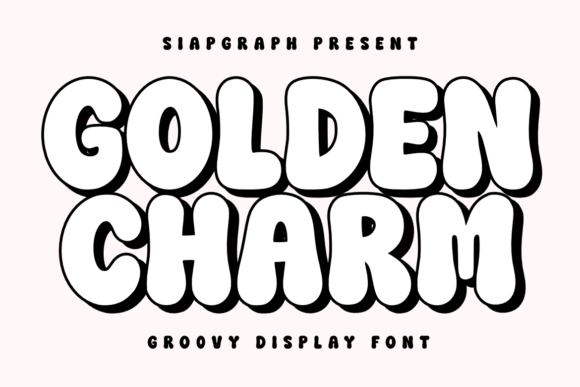
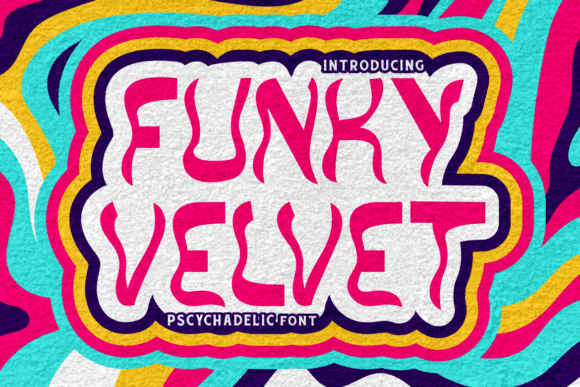
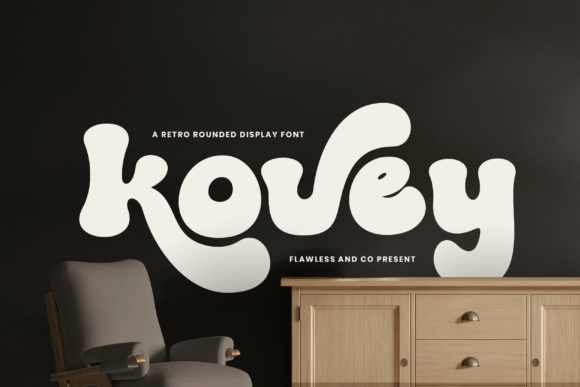
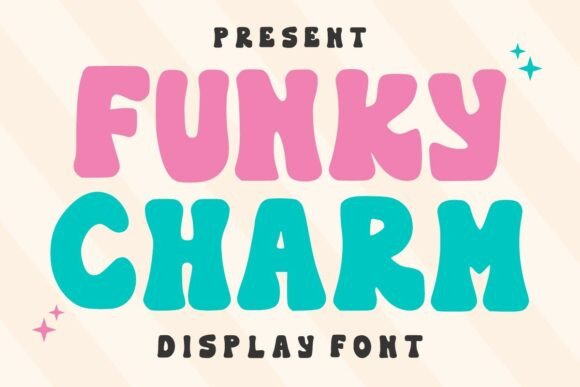
Funky Charm is a display font with a distinctly groovy personality. From the first character I typed, I could see it wasn’t meant for long paragraphs or formal settings. It’s a font that dances a little—bold, curvy, and full of motion. The letterforms have a soft bounce and exaggerated curves that evoke a 70s-era design sensibility, but with a modern digital polish. It’s not just a throwback; it’s a reinterpretation of that era with clean lines and consistent spacing that make it feel fresh and usable in today’s branding landscape.
Testing Funky Charm Across Brand Touchpoints
I started by placing it on a logo concept for the boutique. Instantly, it gave the brand a youthful, approachable energy. I tested it in all caps, and the result was lively but still legible. It held up well in a mockup of a clothing tag and even on a small business card layout. The font’s character spacing is generous, which helps maintain clarity even at smaller sizes, though I wouldn’t recommend it for anything below 10pt in print.
When I moved to the packaging mockup, I used Funky Charm for the product label header. Paired with a clean sans serif for the description text, it created a nice visual hierarchy. The contrast between the playful headline and the minimalist body copy gave the design a modern-retro balance that felt intentional and on-trend. It worked especially well on a mockup of a candle jar, where the font’s groovy curves echoed the soft textures of the product photography.
Where Funky Charm Shines—and Where It Doesn’t
Funky Charm excels in short-form, high-impact applications. It’s a fantastic choice for:
- Logo design (especially for lifestyle, kids, or boutique brands)
- Event posters and flyers
- Social media headers and Instagram story text
- Product packaging accents and gift tags
- Kids’ books, school projects, and craft labels
What it’s not ideal for is long-form editorial use or formal corporate branding. I tried using it in a web design mockup for a service-based business and it felt out of place—too whimsical for a law firm or accounting agency. It’s also not the best fit for small body text, since its decorative elements can reduce readability at a distance or on mobile screens.
Pairing Funky Charm With Other Fonts
One of the most enjoyable parts of working with Funky Charm was exploring font pairings. Since it’s such a character-driven display font, it benefits from being paired with something neutral and structured. I found the best results when combining it with:
- A modern sans serif like Montserrat or Lato for clean, contemporary contrast
- A serif font like Playfair Display for a vintage-meets-modern look
- A minimalist handwritten font for a softer, more personal feel
What’s great is that Funky Charm doesn’t overpower the supporting typefaces—it still lets the design breathe while adding a splash of personality. It’s the kind of font you use to make a statement without drowning out the rest of the typographic system.
Technical Considerations and Practical Tips
From a technical standpoint, Funky Charm includes a solid range of glyphs and supports multiple languages, which is a big plus if you’re designing for international audiences or multilingual branding. I appreciated the inclusion of stylistic alternates and ligatures, which allowed me to customize the look slightly depending on the project’s tone.
It’s also available in standard desktop and webfont formats, which made it easy to use across design tools and on the client’s website. I did a quick test embedding it via Google Fonts and it loaded smoothly, though I’d always recommend checking performance metrics when using display fonts on live sites.
Before finalizing any design for a client, I always double-check the licensing. Funky Charm is a premium font, so it’s important to ensure that the license covers all intended uses—especially for commercial applications like packaging, merchandise, or digital templates. If you’re using it in a product that will be resold or distributed, confirm that the license allows for that.
Final Verdict: A Retro Font That Feels Right for Today’s Brands
After working with Funky Charm across multiple branding assets, I’d confidently recommend it for designers looking to inject a sense of fun and nostalgia into their projects. It’s not just another retro font—it has a distinct charm that makes it stand out without being over the top. Whether you’re designing a logo for a creative studio, a gift label for a handmade shop, or a social media graphic for a kid-friendly brand, this font brings a unique energy that’s hard to replicate with more conventional typefaces.
Just remember to use it intentionally. It’s a display font at heart, best used in headlines, accents, and short bursts of text. Pair it with simpler fonts to maintain balance, and always test it in context before sending it to print or launching a site. With the right application, Funky Charm can be the secret ingredient that makes your design feel unexpectedly delightful.