Blue Sapphire Font: Futuristic Branding for Business
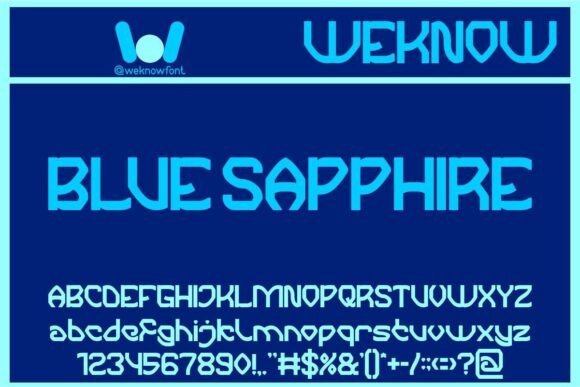
As a small business owner, I know that every visual choice communicates something specific to potential customers. When we select typefaces for our brands, we are not just picking letters; we are selecting a voice. For entrepreneurs in tech, gaming, innovative manufacturing, or forward-thinking service industries, finding a typeface that balances industrial strength with digital sophistication is often a challenge. This is where the Blue Sapphire font becomes an essential asset. As a display typeface inspired by Android computer displays and cutting-edge robotics, it offers a distinct techno-sci-fi aesthetic that can instantly elevate brand identity from generic to memorable.
Blue Sapphire is more than just a creative font; it is a strategic design tool. Its personality fuses the raw aesthetics of metal and industry with the clean precision of modern technology. For business owners looking to project innovation, reliability, and futuristic appeal, this premium font provides a visual shorthand that text alone cannot achieve. Whether you are launching a startup, rebranding an electronics repair shop, or designing packaging for smart home devices, understanding how to leverage this typeface practically is key to building a cohesive and professional brand presence.
Defining Your Brand Voice with Techno-Industrial Typography
The first step in using Blue Sapphire effectively is understanding the specific mood it evokes. Unlike a traditional serif font that suggests heritage or a handwritten script that implies personal touch, Blue Sapphire speaks the language of the future. It carries the weight of heavy machinery while maintaining the sleekness of a user interface. This duality makes it incredibly versatile for businesses that want to appear robust yet advanced.
For my own branding projects involving tech accessories and digital services, I have found that this font establishes immediate authority. It tells the customer that the business is current, precise, and engineered for performance. However, because it is such a strong display font, it works best when used intentionally. It is not a background player; it is a headline grabber. Using it for your primary logo or main website banner sets a tone that permeates every other customer touchpoint, creating a consistent narrative of innovation.
Practical Applications Across Business Touchpoints
Consistency builds trust, and trust drives sales. Integrating Blue Sapphire across various marketing materials ensures that your audience recognizes your brand instantly, whether they are scrolling through social media or holding a physical product. Here is how this typeface translates to real-world business assets:
- Product Packaging and Labels: For tech gadgets, mechanical parts, or even modern energy drinks, Blue Sapphire creates a high-tech shelf presence. Its structured letterforms remain legible on packaging while reinforcing the product's innovative nature.
- Social Media Graphics: On platforms like Instagram and Pinterest, thumbnails need to be readable at small sizes. The bold, geometric nature of this font ensures that headlines in carousels or story overlays stand out against busy backgrounds without losing clarity on mobile screens.
- Website Headers and Banners: Use Blue Sapphire for H1 and H2 tags on landing pages to create visual hierarchy. It guides the user’s eye to key value propositions and calls to action, distinguishing navigation elements from body content.
- Business Cards and Stationery: A business card featuring this typeface feels substantial and modern. It signals to clients and partners that your company operates at the intersection of tradition and tomorrow.
- Event Signage and Menus: For cyber cafés, esports venues, or tech conferences, Blue Sapphire enhances the immersive environment. It turns functional signage into part of the overall experience.
Mastering Readability and Font Pairing Strategies
While Blue Sapphire is visually striking, practical business design always prioritizes readability. As a display font, it is optimized for large sizes and short bursts of text. Attempting to use it for long paragraphs, legal disclaimers, or detailed product specifications will fatigue readers and dilute its impact. The secret to professional typography lies in effective font pairing.
To maintain a polished look, pair Blue Sapphire with a clean, neutral sans serif font for body copy. Typefaces like Inter, Roboto, or Open Sans provide the necessary contrast. They recede visually, allowing Blue Sapphire to shine as the focal point while ensuring that essential information remains accessible. For example, on a product label, use Blue Sapphire for the product name and flavor variant, but switch to a simple sans serif for ingredients and usage instructions. This hierarchy not only looks better but also improves the customer experience by making information easy to scan.
When designing for digital ads or web banners, test your combinations at actual viewing sizes. What looks crisp on a 27-inch monitor might become illegible on a smartphone. Blue Sapphire’s technological inspiration generally lends itself well to screen rendering, but always verify contrast ratios and spacing. Adequate tracking (letter spacing) is particularly important with this style of typeface to prevent characters from merging at smaller scales, ensuring your message remains clear across all devices.
Testing Before Committing to a Full Rebrand
Adopting a new typeface is a significant business decision. Before overhauling your entire brand identity, conduct practical tests. Create mockups of your most critical assets: a social media post, a product label, and an email header. Print them out. View them on different phones. Ask colleagues or loyal customers for feedback specifically regarding legibility and brand alignment. Does it feel like your business? Is the futuristic tone appropriate for your specific niche, or does it feel disconnected from your core offering?
This testing phase prevents costly reprints and redesigns later. It also helps you determine the optimal weight and style variations of Blue Sapphire for different contexts. You might find that the regular weight is perfect for web headers, while a bolder variation is necessary for physical signage to compensate for viewing distance. Treating typography as a functional business component rather than just decoration leads to smarter, more sustainable design choices.
Navigating Commercial Licensing for Entrepreneurs
One aspect of font usage that many small business owners overlook is licensing. Using a font commercially requires adherence to specific legal terms. Blue Sapphire, like most premium fonts, comes with licensing agreements that dictate how it can be used. Before incorporating it into products for sale, client work, merchandise, or digital templates, review the End User License Agreement (EULA) carefully.
Standard desktop licenses typically cover branding, packaging, and static digital images. However, if you plan to embed the font in a mobile app, use it in editable templates for resale, or incorporate it into video content exceeding certain view counts, you may require an extended license. Respecting these terms protects your business from legal issues and supports the type designers who create these valuable assets. When budgeting for a rebrand, always factor in the cost of proper commercial licensing. It is a small investment compared to the risk of infringement and demonstrates professional integrity.
Ultimately, Blue Sapphire offers small businesses a powerful way to visualize innovation. By applying it strategically across logos, packaging, and digital content, and by pairing it thoughtfully with readable supporting typefaces, entrepreneurs can build a brand identity that is both futuristic and trustworthy. It transforms the abstract concept of "technology" into a tangible visual experience that resonates with modern consumers. When used with intention and respect for both design principles and licensing requirements, this typeface becomes more than just letters on a page; it becomes a cornerstone of a successful, forward-looking business strategy.